


 Exhaust System
 Fuel supply system
 Suspension and steering systems
 Transmission system
 Electrical and Auxilliary System


Engine diagnostics and repair involve the comprehensive examination, analysis, and resolution of issues affecting internal combustion engines in vehicles or machinery. Technicians proficient in this field utilize specialized tools and equipment to identify problems such as engine misfires, abnormal noises, loss of power, or emissions irregularities. Diagnostic procedures often include scanning electronic control units (ECUs), using diagnostic codes, and conducting visual inspections of engine components. Repairs may involve replacing faulty parts, adjusting engine parameters, or performing maintenance tasks to restore optimal performance and efficiency. Skilled technicians combine mechanical expertise with modern diagnostic technology to ensure engines operate reliably and meet environmental standards.
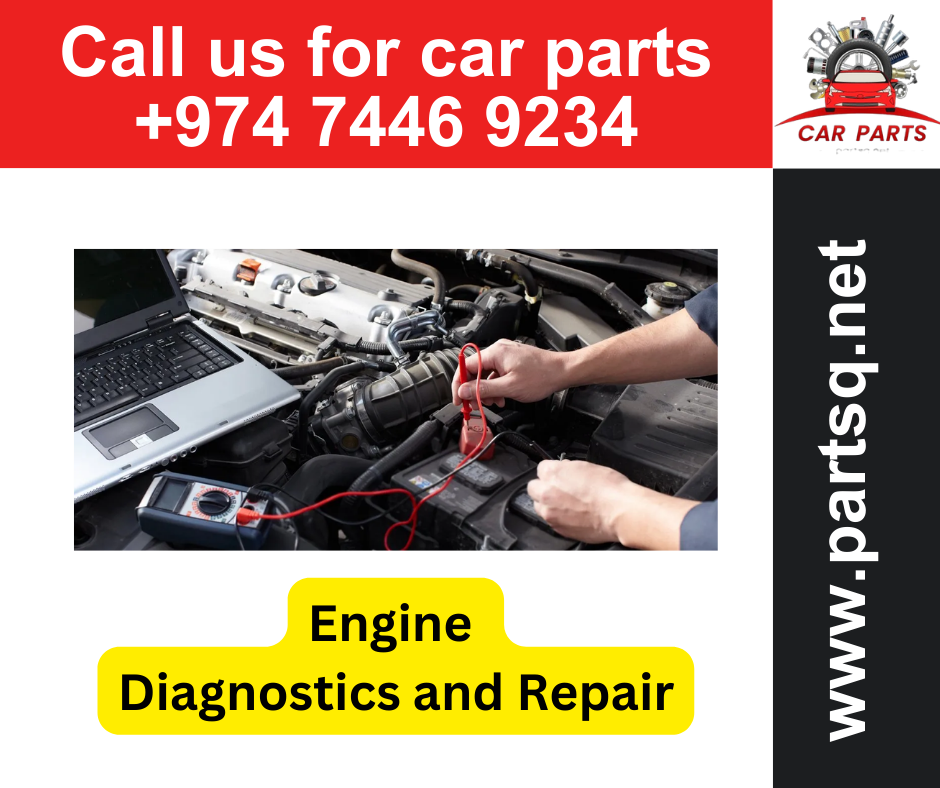
Engine Diagnostics and Repair
Engine diagnostics and repair typically involve several key steps to identify and address issues affecting the performance of an internal combustion engine:
1. **Initial Inspection**:
2. **Diagnostic Scanning**:
3. **Data Analysis**:
4. **Functional Tests**:
5. **Compression Testing**:
6. **Fuel System Inspection**:
7. **Ignition System Check**:
8. **Emissions Testing**:
9. **Component Replacement or Adjustment**:
10. **Road Test**:
11. **Final Inspection and Verification**:12. **Documentation**:
Description
Reviews (0)
Shipping & Delivery
Related products

Brake Service and Repair
Brake service and repair involve several essential steps to ensure the braking system functions safely and effectively:
1. **Inspection**:
2. **Brake Pad Replacement**:
3. **Rotor Resurfacing or Replacement**:
4. **Caliper Service**:
5. **Brake Fluid Flush**:
6. **Brake Line Inspection**:
7. **Brake System Bleeding**:
8. **Hardware Replacement**:
9. **Test Drive and Final Inspection**:

General Tune-ups
A general tune-up for a car typically involves several key maintenance tasks to keep the engine running smoothly. Here’s a detailed list of what to do:
1. **Replace Spark Plugs**:
- Check the condition of the spark plugs.
- Replace them if they are worn or fouled to ensure proper ignition and engine performance.
2. **Change Engine Oil and Oil Filter**:
- Drain old engine oil and replace it with fresh oil.
- Replace the oil filter to keep contaminants out of the engine.
3. **Replace Air Filter**:
- Inspect the air filter for dirt and debris.
- Replace it if it’s clogged to ensure optimal airflow to the engine.
4. **Replace Fuel Filter**:
- Check the fuel filter for clogs or contamination.
- Replace it to maintain clean fuel flow to the engine.
5. **Inspect and Replace Belts and Hoses**:
- Check belts for wear, cracks, or fraying.
- Inspect hoses for leaks or damage.
- Replace any worn or damaged belts and hoses to prevent failures.
6. **Check and Test Battery**:
- Test the battery’s charge and overall health.
- Clean battery terminals and connections.
- Replace the battery if it’s weak or not holding a charge.
7. **Inspect and Test Ignition System**:
- Check ignition coils and wires for signs of wear.
- Replace any faulty components to ensure reliable starting and operation.
8. **Check and Adjust Engine Timing**:
- Verify that the engine’s timing is correctly aligned.
- Adjust if necessary to ensure efficient engine performance and fuel economy.
9. **Inspect and Replace PCV Valve**:
- Check the Positive Crankcase Ventilation (PCV) valve for clogs or damage.
- Replace it if needed to prevent excessive oil consumption and emissions problems.
10. **Check and Top Off Fluids**:
- Check levels of transmission fluid, coolant, brake fluid, and power steering fluid.
- Top off or replace fluids as necessary.
11. **Inspect Exhaust System**:
- Check for leaks, rust, or damage in the exhaust system.
- Repair or replace components if needed to ensure proper exhaust flow and reduce noise.
12. **Perform a Visual Inspection**:
- Look for any other visible issues like leaks, worn tires, or damaged suspension components.
- Address any other problems that could affect the vehicle’s performance or safety.
Following these steps will help keep your car in good condition, improve its performance, and prevent unexpected breakdowns.

light bulb replacement service
Here's a step-by-step guide on what to do for a car light bulb replacement service:
1. **Assessment**:
2. **Select the Right Bulb**:
3. **Turn Off the Vehicle**:
4. **Access the Bulb**:
5. **Remove the Old Bulb**:
6. **Install the New Bulb**:
7. **Test the New Bulb**:
8. **Reassemble**:
9. **Dispose of the Old Bulb**:
10. **Check Functionality**:
If you're unsure about any step or lack the necessary tools, consider seeking professional help to ensure the replacement is done safely and effectively.

Painting and denting service
When dealing with a car that needs painting and denting services, it's essential to follow a structured approach to ensure the best results. Here’s a general guide on what to do:
1. Assess the Damage
2. Choose the Right Service
3. Get Estimates
4. Prepare the Car
5. Repair the Dents
6. Prepare for Painting
7. Painting
8. Drying and Curing
9. Post-Repair Care


Transmission Service and Repair
Transmission service and repair involves a series of critical procedures aimed at maintaining or restoring the functionality and longevity of a vehicle's transmission system. Here are the key aspects typically involved:
1. **Fluid Inspection and Replacement**:
2. **Filter Replacement**:
3. **Seal and Gasket Inspection/Replacement**:
4. **Transmission Pan Inspection and Cleaning**:
5. **Transmission System Diagnostic**:
6. **Component Inspection and Replacement**:
7. **Transmission Fluid Cooler Inspection**:
8. **Adjustments and Fluid Level Check**:
9. **Test Drive and Final Inspection**:
Reviews
There are no reviews yet.