


 Exhaust System
 Fuel supply system
 Suspension and steering systems
 Transmission system
 Electrical and Auxilliary System


Transmission service and repair involves maintaining or restoring the functionality of a vehicle’s transmission system. It includes tasks like fluid inspection and replacement, filter replacement, seal and gasket inspection, diagnostic testing, component inspection and replacement, adjustments, and ensuring proper fluid cooling. These measures are crucial for ensuring smooth shifting, preventing wear and overheating, and maintaining overall vehicle reliability. Regular service helps extend the transmission’s lifespan and prevents costly repairs.
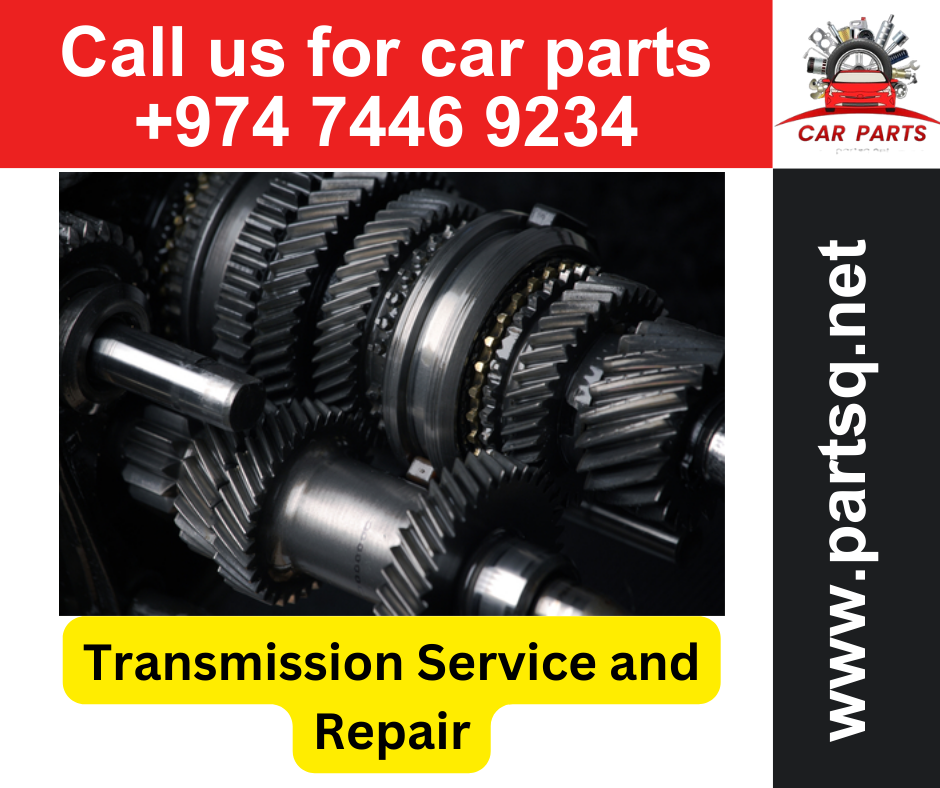
Transmission Service and Repair
Transmission service and repair involves a series of critical procedures aimed at maintaining or restoring the functionality and longevity of a vehicle’s transmission system. Here are the key aspects typically involved:
1. **Fluid Inspection and Replacement**:
2. **Filter Replacement**:
3. **Seal and Gasket Inspection/Replacement**:
4. **Transmission Pan Inspection and Cleaning**:
5. **Transmission System Diagnostic**:
6. **Component Inspection and Replacement**:
7. **Transmission Fluid Cooler Inspection**:
8. **Adjustments and Fluid Level Check**:
9. **Test Drive and Final Inspection**:
Description
Reviews (0)
Shipping & Delivery
Related products


Cooling System Service (Radiator, Water Pump)
When performing a cooling system service for a car, here are the essential steps to follow:
1. **Inspect the Radiator**:
2. **Flush the Cooling System**:
3. **Check Hoses and Belts**:
4. **Test the Thermostat**:
5. **Inspect the Water Pump**:
6. **Refill with Coolant**:
7. **Pressure Test**:
8. **Verify Operation**:
9. **Check for Proper Operation**:
10. **Record Maintenance**:

Electrical System Repair
Car electrical system repair involves several key steps to diagnose and resolve issues effectively:
1. **Initial Assessment**:
2. **Visual Inspection**:
3. **Diagnostic Testing**:
4. **Component Testing**:
5. **Wiring Inspection**:
6. **Repair or Replace**:
7. **Functional Testing**:
9. **Documentation**:
10. **Customer Communication**:
11. **Quality Assurance**:

Engine Diagnostics and Repair
Engine diagnostics and repair typically involve several key steps to identify and address issues affecting the performance of an internal combustion engine:
1. **Initial Inspection**:
2. **Diagnostic Scanning**:
3. **Data Analysis**:
4. **Functional Tests**:
5. **Compression Testing**:
6. **Fuel System Inspection**:
7. **Ignition System Check**:
8. **Emissions Testing**:
9. **Component Replacement or Adjustment**:
10. **Road Test**:
11. **Final Inspection and Verification**:12. **Documentation**:


General Tune-ups
A general tune-up for a car typically involves several key maintenance tasks to keep the engine running smoothly. Here’s a detailed list of what to do:
1. **Replace Spark Plugs**:
- Check the condition of the spark plugs.
- Replace them if they are worn or fouled to ensure proper ignition and engine performance.
2. **Change Engine Oil and Oil Filter**:
- Drain old engine oil and replace it with fresh oil.
- Replace the oil filter to keep contaminants out of the engine.
3. **Replace Air Filter**:
- Inspect the air filter for dirt and debris.
- Replace it if it’s clogged to ensure optimal airflow to the engine.
4. **Replace Fuel Filter**:
- Check the fuel filter for clogs or contamination.
- Replace it to maintain clean fuel flow to the engine.
5. **Inspect and Replace Belts and Hoses**:
- Check belts for wear, cracks, or fraying.
- Inspect hoses for leaks or damage.
- Replace any worn or damaged belts and hoses to prevent failures.
6. **Check and Test Battery**:
- Test the battery’s charge and overall health.
- Clean battery terminals and connections.
- Replace the battery if it’s weak or not holding a charge.
7. **Inspect and Test Ignition System**:
- Check ignition coils and wires for signs of wear.
- Replace any faulty components to ensure reliable starting and operation.
8. **Check and Adjust Engine Timing**:
- Verify that the engine’s timing is correctly aligned.
- Adjust if necessary to ensure efficient engine performance and fuel economy.
9. **Inspect and Replace PCV Valve**:
- Check the Positive Crankcase Ventilation (PCV) valve for clogs or damage.
- Replace it if needed to prevent excessive oil consumption and emissions problems.
10. **Check and Top Off Fluids**:
- Check levels of transmission fluid, coolant, brake fluid, and power steering fluid.
- Top off or replace fluids as necessary.
11. **Inspect Exhaust System**:
- Check for leaks, rust, or damage in the exhaust system.
- Repair or replace components if needed to ensure proper exhaust flow and reduce noise.
12. **Perform a Visual Inspection**:
- Look for any other visible issues like leaks, worn tires, or damaged suspension components.
- Address any other problems that could affect the vehicle’s performance or safety.
Following these steps will help keep your car in good condition, improve its performance, and prevent unexpected breakdowns.


Timing Belt and Chain Replacement
When replacing the timing belt or chain in a car, here are the essential steps typically involved:
1. **Consult the Service Manual:**
2. **Gather Necessary Tools:**
3. **Prepare the Workspace:**
4. **Disconnect Battery:**
5. **Remove Engine Covers and Components:**
6. **Align Timing Marks:**
7. **Remove Old Belt/Chain:**
8. **Inspect Components:**
9. **Install New Belt/Chain:**
10. **Reassemble Components:**
11. **Tension Adjustment:**
12. **Verify Timing:**
13. **Reconnect Battery:**
14. **Test Drive and Inspect:**
15. **Document Service:**
Reviews
There are no reviews yet.