


 Exhaust System
 Fuel supply system
 Suspension and steering systems
 Transmission system
 Electrical and Auxilliary System


Replacing the timing belt or chain is essential maintenance for a car’s engine. It ensures proper synchronization of the crankshaft and camshaft(s), preventing potential engine damage and ensuring reliable performance.
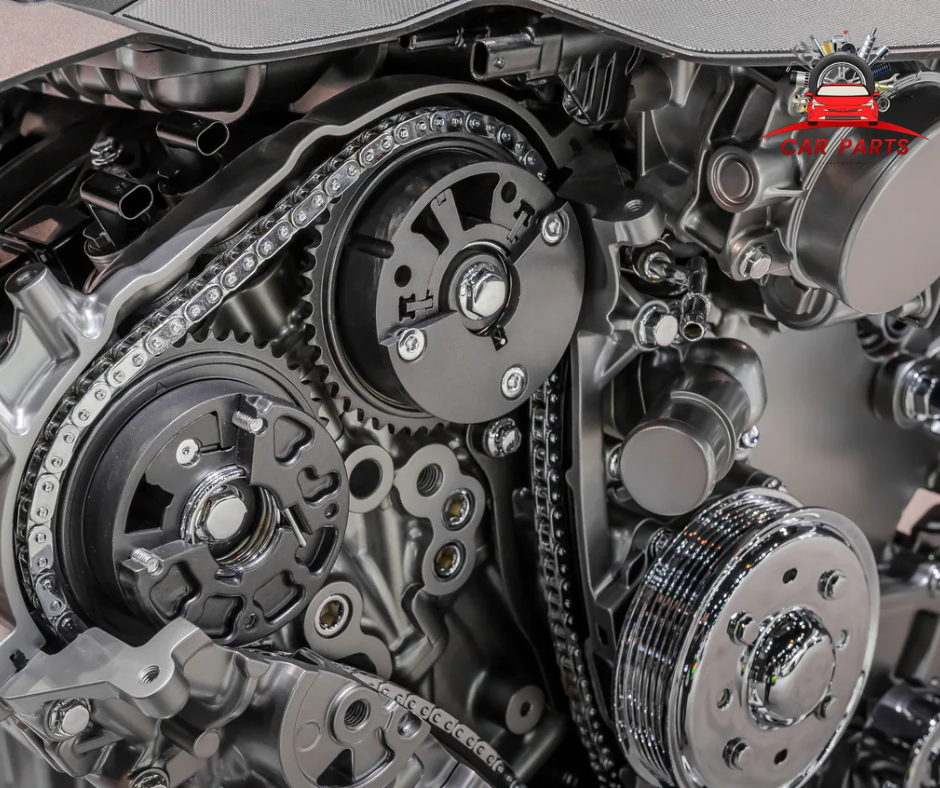
Timing Belt and Chain Replacement
When replacing the timing belt or chain in a car, here are the essential steps typically involved:
1. **Consult the Service Manual:**
2. **Gather Necessary Tools:**
3. **Prepare the Workspace:**
4. **Disconnect Battery:**
5. **Remove Engine Covers and Components:**
6. **Align Timing Marks:**
7. **Remove Old Belt/Chain:**
8. **Inspect Components:**
9. **Install New Belt/Chain:**
10. **Reassemble Components:**
11. **Tension Adjustment:**
12. **Verify Timing:**
13. **Reconnect Battery:**
14. **Test Drive and Inspect:**
15. **Document Service:**
Description
Reviews (0)
Shipping & Delivery
Related products


Engine Diagnostics and Repair
Engine diagnostics and repair typically involve several key steps to identify and address issues affecting the performance of an internal combustion engine:
1. **Initial Inspection**:
2. **Diagnostic Scanning**:
3. **Data Analysis**:
4. **Functional Tests**:
5. **Compression Testing**:
6. **Fuel System Inspection**:
7. **Ignition System Check**:
8. **Emissions Testing**:
9. **Component Replacement or Adjustment**:
10. **Road Test**:
11. **Final Inspection and Verification**:12. **Documentation**:

Fluid Level Checks and Replacement
Here’s a step-by-step guide for checking and replacing the key fluids in your car:
1. **Engine Oil:**
- **Check:**
- **Replace:**
2. **Coolant:**
- **Check:**
- **Replace:**
3. **Brake Fluid:**
- **Check:**
- **Replace:**
4. **Transmission Fluid:**
- **Check:**
- **Replace:**
5. **Power Steering Fluid:**
- **Check:**
- **Replace:**
**General Tips:**
- Always use fluids that meet your vehicle’s specifications.
- Check fluid levels regularly, as indicated in your owner’s manual or at least every few months.
- Dispose of old fluids properly at a recycling center or auto parts store.
By keeping up with these fluid checks and replacements, you help ensure the smooth operation and longevity of your vehicle.

Inspection Services (Pre-purchase inspections, State inspections)
### Car Inspection Services
#### Pre-Purchase Inspections
**Overview:** A pre-purchase inspection is a comprehensive evaluation of a vehicle's condition before you commit to buying it. This service is crucial for uncovering any potential issues or hidden problems that could affect the vehicle's performance or safety.
**What’s Included:**
- **Mechanical Check:** Assesses the engine, transmission, brakes, and suspension.
- **Exterior and Interior Evaluation:** Inspects for body damage, rust, and interior wear.
- **Fluid Levels and Leaks:** Checks oil, coolant, and brake fluids for proper levels and leaks.
- **Electronics and Features:** Tests lights, air conditioning, and entertainment systems.
- **Test Drive:** Evaluates the vehicle’s handling and overall performance.
**Purpose:** Helps buyers make an informed decision and provides leverage in negotiations by highlighting any existing issues.
**Cost:** Typically ranges from 100 qar to 200 qar, depending on the depth of the inspection and location.
#### State Inspections
**Overview:** State inspections are mandated by law to ensure that vehicles meet safety and emissions standards. These inspections are required to keep vehicles roadworthy and environmentally compliant.
**What’s Included:**
- **Safety Inspection:** Checks critical systems such as brakes, lights, tires, and steering for compliance with safety standards.
- **Emissions Inspection:** Tests the vehicle’s emissions to ensure it meets environmental regulations.
**Purpose:** Ensures that vehicles are safe to drive and do not exceed pollution limits, as required by state laws.
**Cost:** Usually between 20 qar and 50 qar, though this can vary by state and facility.
Both types of inspections play a vital role in maintaining vehicle safety and performance. Pre-purchase inspections provide peace of mind before buying a used vehicle, while state inspections ensure ongoing compliance with legal requirements.


Reviews
There are no reviews yet.